Website Development: The Ultimate Guide to Build, Launch & Rank

Every second, over 252,000 new websites go live globally (source: Netstat). The fact that most of them fail to rank well on Google or convert visitors into clients.
This web development guide explores how those elements come together to form functional, engaging, and accessible experiences online, launch, and S.E.O — to ensure you build something that works effectively. It covers the total cycle of proper improvement from coding to implementation and making stay access to the worldwide.
Websites Online (2026)
Users Judge Credibility by Website Design
7 0 %
Mobile Users Leave Slow Sites
5 5 %
Global Web Dev Market by 2028
0 B$
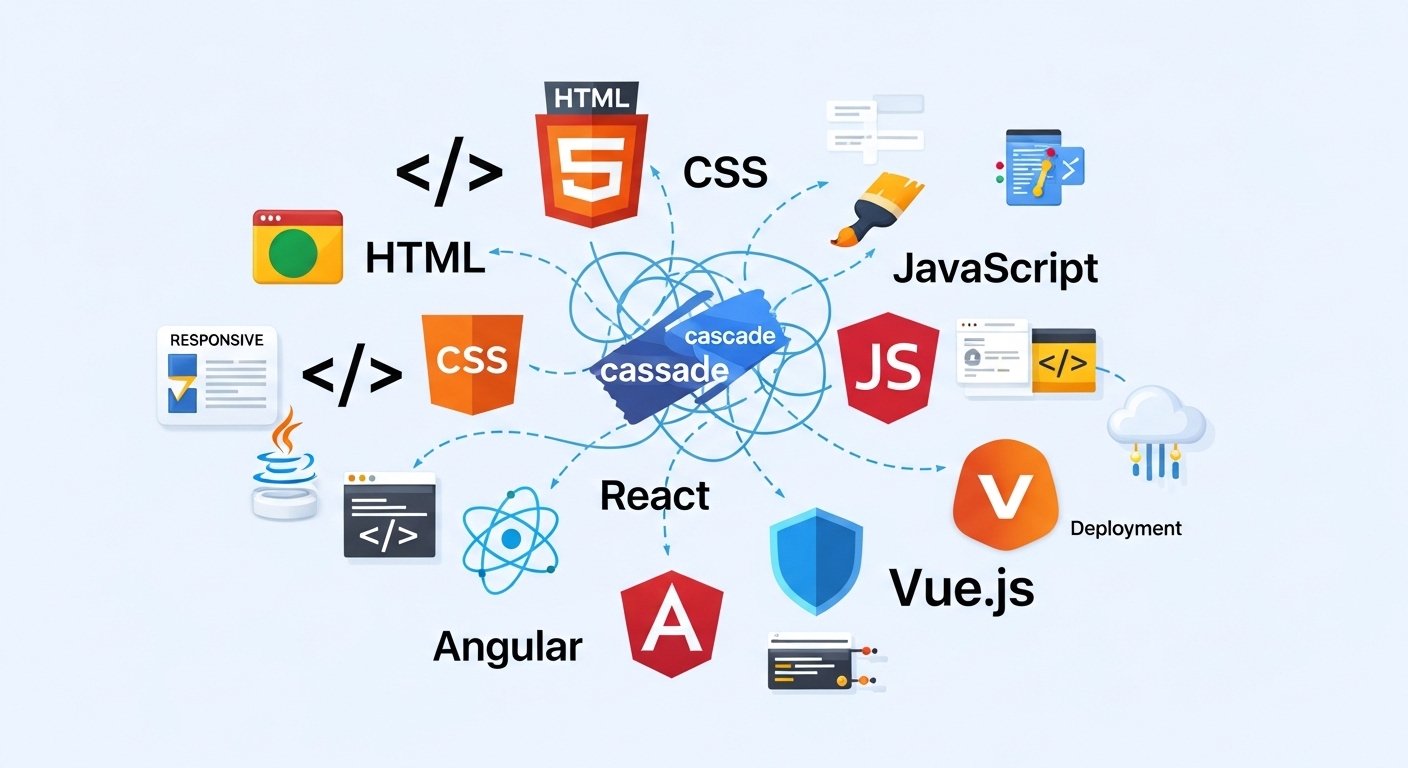
Now there are a variety of tools and platforms that allow you to code or use drag-and-drop components to create valuable products, build an impressive website, and offer it to clients for sale. and make it an amazing website and sell it to clients.
By 2026, all people — which includes freelancers — want a functional website to live aggressively in the virtual age.
Whether you’re building your first web page or improving a virtual product, understanding the whole website improvement process offers you a competitive benefit.

What Is Website Development?

frontend devloepmnt

Front-End Development

the visible side users interact with (HTML, CSS, JavaScript). Also called "client-side."

Back-end development
Back-End Development (Server Side)

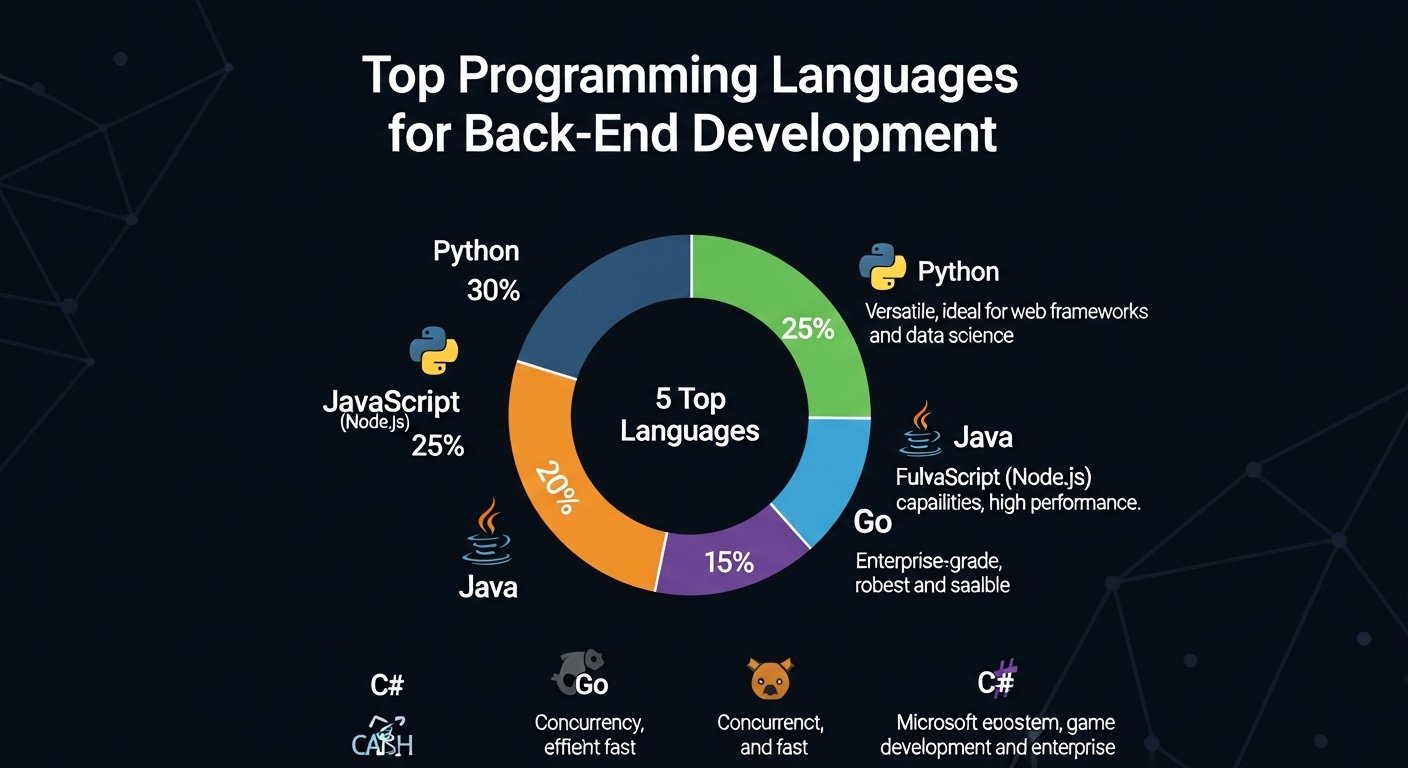
Back-end development powers the logic that users never see — databases, user authentication, payments, and APIs. Common back-end languages include Python, PHP, Node.js, Ruby, and Java.

type of website devlopemnt
website devlopement quotes

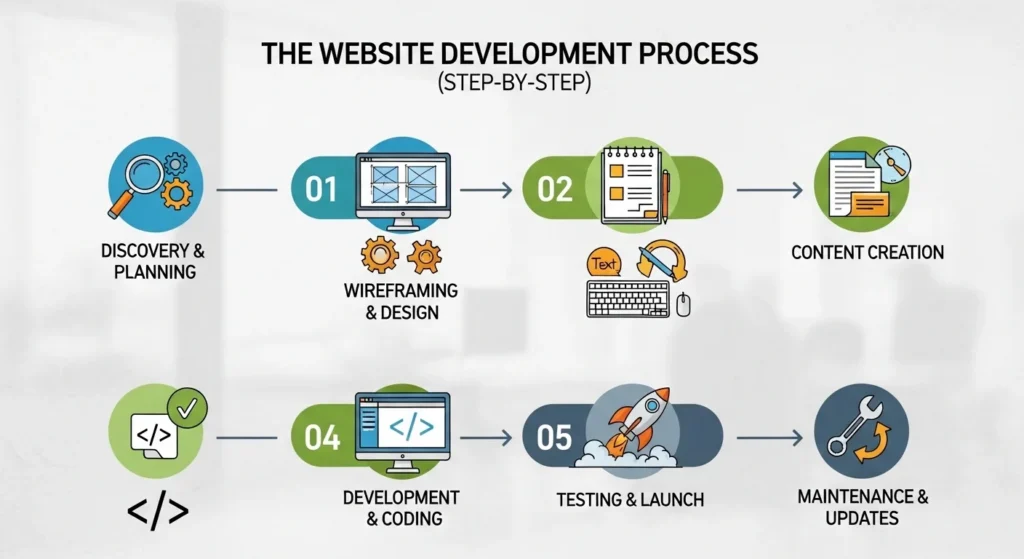
The Website Development Process (Step-by-Step)

the website development process step by step
1

Discovery & Planning

Define goals, target audience, site structure (sitemap), and technical requirements. This phase determines everything.

2

UI/UX Design

Create wireframes and mockups. Focus on user flow, accessibility, and responsive design across all screen sizes.

3

Front-End Development

Convert designs into code using HTML, CSS, and JavaScript. This is what users see and interact with.

4

Back-End Development

Build server logic, APIs, and database connections. Handle user authentication, data processing, and security.

5

Testing & QA

Test across browsers, devices, and screen sizes. Check performance scores (Core Web Vitals), security, and broken links.

Best Technologies & Tools for Website Development in 2026

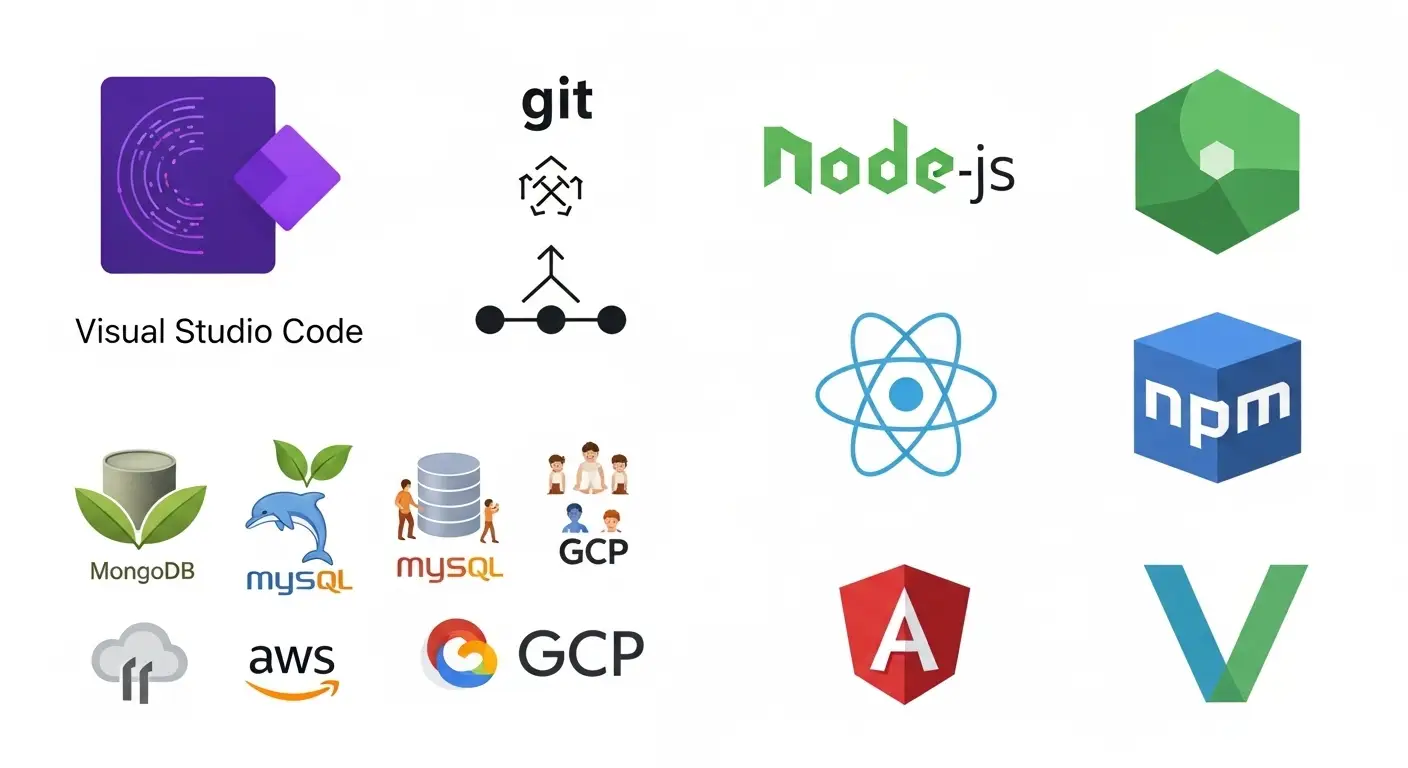
Choosing the right tech stack is one of the most critical decisions in custom website development. The tools you pick affect performance, scalability, and how quickly you can ship features.

farme work & tools for webiste devloepment

Front-End Frameworks

React.js —

— The most popular front-end library. Backed by Meta. Ideal for dynamic UIs and single-page applications (SPAs).

Next.js —

  Built on React. Adds server-side rendering (SSR) for better SEO and performance. Highly recommended in 2025.

Vue.js —

Lightweight and easy to learn. Great for smaller projects or teams transitioning from vanilla JS.

Svelte —

Compiles to vanilla JS. Blazing fast. Growing rapidly in the developer community.

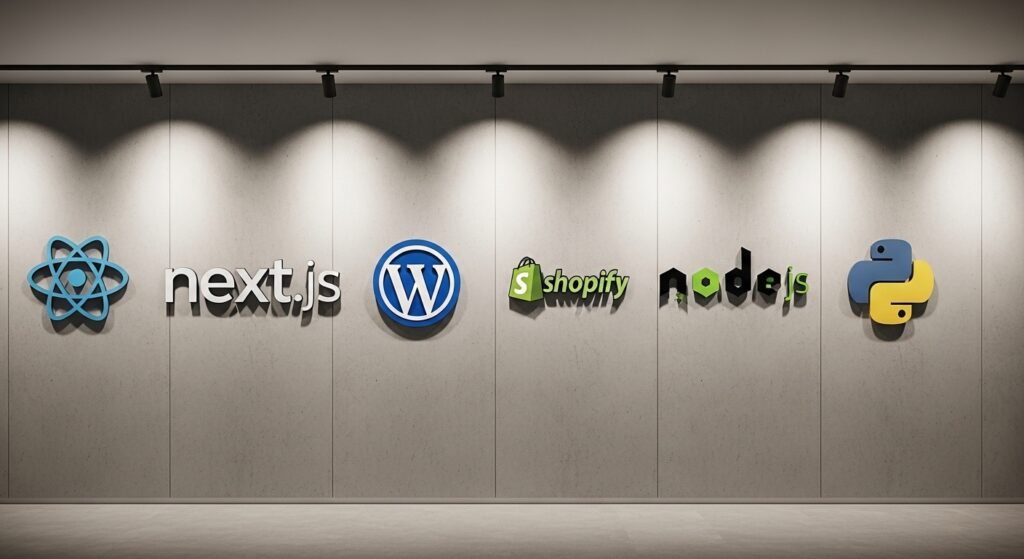
CMS Platforms for Faster Website Development
website tools


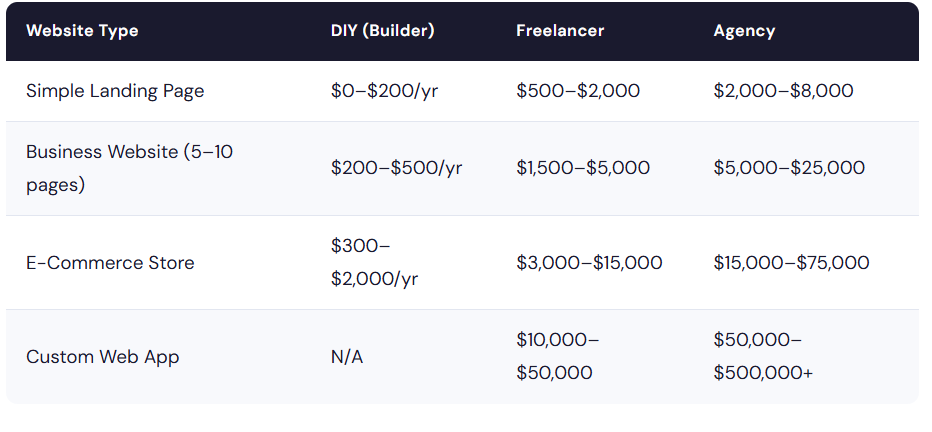
Website Development Cost: What to Expect
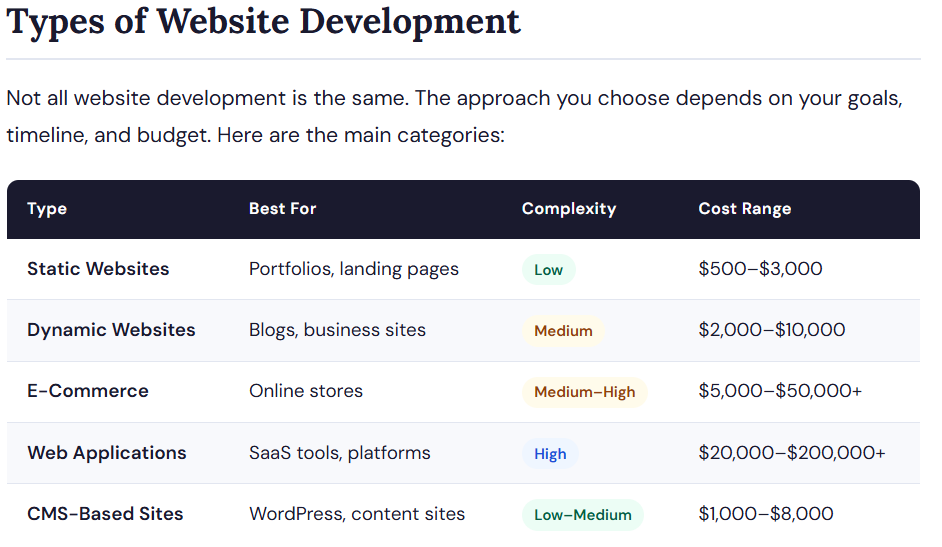
Development Cost https://nexusblogs.com/website-development/
Expert Tips for Better Website Development

These are the tips that separate average websites from those that actually grow a business:

⚡

Design Mobile-First

Start your CSS for mobile screens, then scale up. Google indexes your mobile version first. This one change can dramatically improve rankings.

🖼

Compress Every Image

Use WebP format and tools like Squoosh or ShortPixel. Images account for 60–70% of page weight on most sites.

🔒

Security From Day One

Install SSL, use strong authentication, sanitize all user inputs, and keep CMS plugins updated. Security breaches can destroy your Google rankings overnight.

📊

Install Analytics Early

Set up Google Analytics 4 and Search Console before launch. You can’t improve what you can’t measure.

♿

Build for Accessibility

Follow WCAG 2.1 guidelines. Alt text, keyboard navigation, and proper contrast ratios help both users and SEO.

🚀

Use a CDN

A Content Delivery Network (CDN) like Cloudflare serves your site from servers closest to each visitor, cutting load times globally.


7 Common Website Development Mistakes to Avoid

Even experienced developers make these errors. Knowing them in advance will save you time, money, and headaches:

Skipping the Planning Phase

Building without a sitemap or wireframe leads to scope creep, redesigns, and wasted budget. Plan first, code second.

Ignoring Page Speed

A 1-second delay in page load time reduces conversions by 7% (source: Akamai). Speed is not optional in 2025.

Not Testing on Real Devices

Browser simulators aren’t enough. Test on real iPhones, Android devices, and tablets. Bugs hide in real hardware.

Choosing the Wrong Hosting

Cheap shared hosting kills your load times and uptime. Invest in managed hosting — it pays for itself in SEO alone.

Forgetting About Backups

Set up automated daily backups from day one. A hacked or corrupted site with no backup is a business catastrophe.

No Clear Call-to-Action (CTA)

Every page needs a purpose. Without a clear CTA, visitors leave without converting. Make the next step obvious.

Building Without an SEO Strategy

Retrofitting SEO after launch is expensive and slow. Build with SEO in mind from the very first line of code.

🔗 Related Guides on This Blog
📚 Authority Sources & References

F.A.Q.

It depends on complexity. A simple 5-page business website typically takes 2–4 weeks. A full e-commerce platform can take 3–6 months. Custom web applications may take 6–12+ months. Proper planning significantly reduces development time.

Absolutely. Thousands of self-taught developers are working at top companies today. Start with HTML, CSS, and JavaScript. Free resources like freeCodeCamp, The Odin Project, and MDN Web Docs are excellent starting points. Expect to invest 6–12 months of consistent practice.

JavaScript is the only language that runs in every browser — making it essential for front-end development. For back-end development, JavaScript (Node.js), Python, and PHP are the most commonly used. JavaScript (particularly with React and Node.js) gives you full-stack capability with a single language.

Not necessarily. Platforms like WordPress, Shopify, Wix, and Webflow allow you to build professional websites without writing code. However, coding knowledge gives you far more control, flexibility, and performance optimization capabilities — especially for custom website development.

Annual maintenance costs typically include: domain name ($10–$50/year), hosting ($50–$500+/year), SSL certificate (free with Let’s Encrypt or $50–$200/year), premium plugins or themes (varies), and optional developer time for updates ($50–$150/hour). A basic business website typically costs $200–$1,000/year to maintain.